


What is Bitcoin?
In order to explain Bitcoin, we need to start with the world's current global monetary system.
Traditionally, the global monetary system has seen individual countries create their own money (currency) with one central bank in each country, e.g. the Bank of England in the UK or the Federal Reserve in the USA.
There are two fundamental problems with this monetary system:
1) If two individuals want to send each other money, these individuals cannot simply transfer funds directly to each other. Instead, this is dealt with by a number of retail banks who report into the country's central bank.
As a result, there are many intermediaries between each individual person and these intermediaries charge fees for each transaction.
2) As there are so many central banks across the world, with an accompanying network of retail banks, there is not one complete record of all the world's financial transactions. This creates opportunities to defraud the current monetary system.
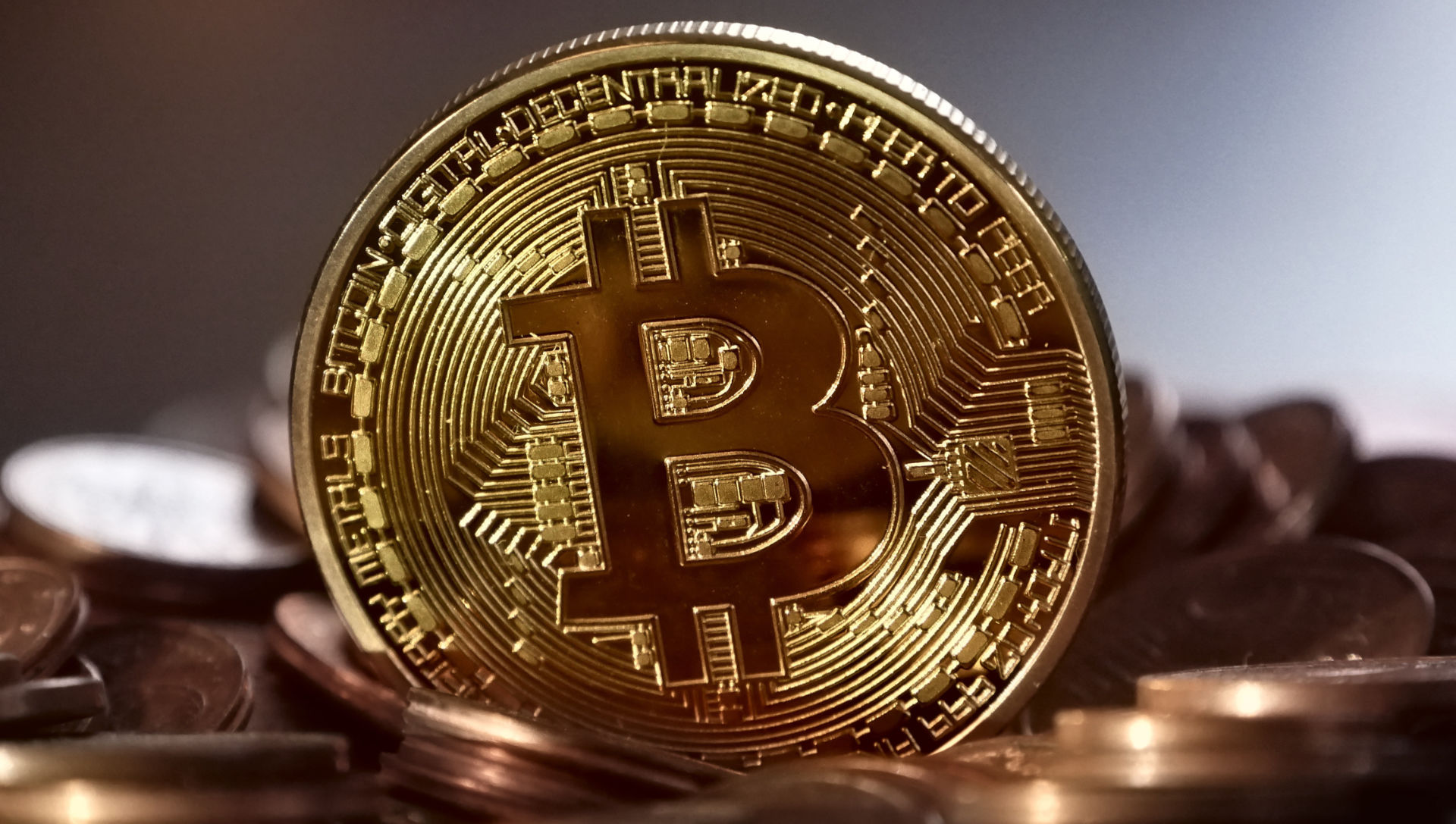
Broadly, Bitcoin is a digital, decentralised currency without a central bank. It is possible to send this currency between different Bitcoin users without the need for an intermediary.
In addition, the technology enables us to have a complete record of all Bitcoin transactions, where individuals remain anonymous, thus this ledger of transactions (aka 'blockchain') is secure and confidential.
Other cryptocurrencies, such as Ethereum and Dogecoin build on this fundamental idea.
Cryptocurrency investing
Investors and individuals have turned to cryptocurrencies over recent years due to the headline grabbing investment returns of some cryptocurrencies.
This conceals the reality that the unit price of cryptocurrencies can be very volatile, more so than traditional investments such as stocks and shares.
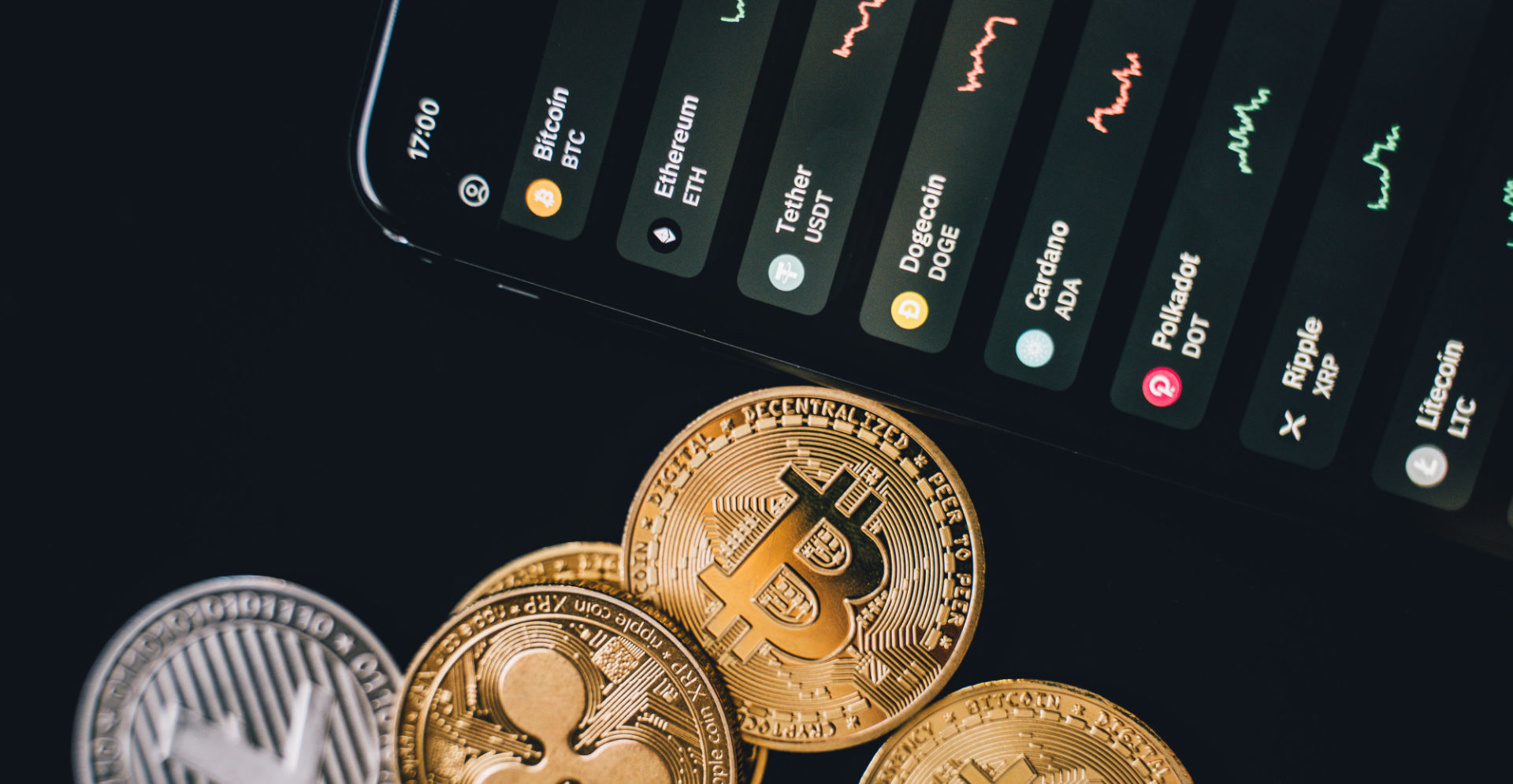
Its popularity has also seen a boom in the number of crypto scammers. These scammers seek to persuade individuals to send them large sums of money to be "invested" in a range of different cryptocurrencies, only to be defrauded for thousands of pounds.
From our experience, even legitimate cryptocurrency exchanges can make it very difficult for asset holders to dispose of their crypto assets and to convert their funds back into standard currency. Ensure you research thoroughly before investing in cryptocurrency.
Cryptocurrency tax
How are cryptocurrencies taxed?
As these assets are so different to traditional investments, there are nuances in the tax legislation surrounding the taxation of cryptocurrencies.
HMRC treats cryptocurrency as a digital asset and therefore the sale of cryptocurrency is captured by capital gains tax rules.
When are cryptocurrencies taxed?
1) Sale of cryptocurrency
When you sell your cryptocurrency in consideration for standard currency (GBP, USD, etc.), this is deemed to be a taxable event. The capital gain or loss is determined to be the sale price (less any disposal costs such as exchange fees) minus the cost of the asset when purchased.
2) Crypto to crypto transactions
If you were to sell one type of cryptocurrency for another, e.g. if you were to buy Bitcoin using Ethereum, HMRC deems this to be two separate transactions, namely a capital disposal of Ethereum and a purchase of Bitcoin.
This capital disposal may be liable to capital gains tax and a detailed assessment is required to calculate any capital gains tax due.
3) Using cryptocurrency to purchase goods or services
Currently, under HMRC guidance, the use of cryptocurrency to purchase goods or services is treated as a capital disposal of that cryptocurrency which is taxable under the capital gains tax rules. For example, if you were to buy a car for 5 Bitcoin, capital gains tax may be due as this would be deemed to be a capital disposal of 5 Bitcoin.
4) Gifting cryptocurrency
As cryptocurrency is treated as an asset by HMRC, any gifts of cryptocurrency would fall under the usual capital gains tax rules. As a result, any spouse transfers of cryptocurrency are tax-free, in line with guidance for other asset transfers.
The taxation of cryptocurrencies is a new and complex area of tax legislation. Huw Aled Accountants have significant experience of assessing the capital gains tax implications of cryptocurrency transactions, of calculating any capital gains tax due and of preparing and submitting the relevant capital gains tax returns to HMRC.
If you have any concerns about how cryptocurrencies are taxed and the impact on your tax position, please give Huw Aled Accountants a call on 07808 798 569 or drop them an email at
This article is not personal investment advice. We can only advise on the tax treatment on the disposal of cryptocurrencies, including the filing of income tax and/or capital gains tax returns with HMRC, with reference to published guidance from HMRC.


